Why Coffee Is More Than Just a Morning Drink
For millions of people, coffee is the first thing they reach for when the day begins. It’s often described as a habit, a necessity, or a source of caffeine — but those explanations barely scratch the surface.
Coffee has earned its place in daily life not because people are tired, but because it meets deeper human needs. It offers consistency in uncertain times, comfort during stressful seasons, and a quiet pause before the world demands attention. Over time, coffee becomes less about the drink itself and more about what it represents.
Coffee as a Daily Anchor
One of the primary reasons people drink coffee is routine.
Routines help people feel grounded. When life feels unpredictable, small repeated actions provide structure. Coffee does this naturally. The process is familiar: preparing the brew, holding the mug, taking the first sip. These actions signal the beginning of the day in a way that feels controlled and intentional.
Psychologists often point to routine as a stabilizing force, especially during periods of stress or transition. Coffee becomes an anchor — a moment that belongs entirely to the person drinking it, regardless of what the day may bring.
This is why many people drink coffee even when they’re not particularly tired. The value is not the caffeine alone, but the predictability and comfort of the ritual itself.
Many people build that ritual around a go-to blend they can depend on, like a smooth and balanced house blend coffee.

The Emotional Comfort of Coffee
Coffee is deeply tied to comfort.
The warmth of the mug, the smell of freshly brewed beans, and the familiarity of a favorite blend all contribute to a sense of ease. For many people, coffee is associated with home, safety, and calm. It often appears in moments of rest — early mornings, quiet afternoons, or late-night conversations.
During colder months or emotionally heavy seasons, coffee becomes even more important. It provides warmth when the environment feels harsh and reassurance when days feel long. This emotional connection is one of the strongest reasons coffee remains such a constant presence in people’s lives.
d flavored coffees add another layer of comfort. Refreshing yet familiar options like mint-flavored coffee give people something comforting to look forward to while still keeping their routine intact.

Coffee and Mental Well-Being
While coffee is often discussed in terms of energy and productivity, it also plays a subtle role in mental well-being.
The act of making coffee requires slowing down, even briefly. Waiting for water to heat or coffee to brew creates a pause — a small break before responsibilities take over. These pauses help people regulate stress and mentally prepare for the day.
Many people use coffee time to:
- Gather their thoughts
- Reflect quietly
- Transition between moments
This makes coffee a natural companion to mindfulness, even if it’s not labeled as such. It offers space without asking for effort.

Coffee as a Social Ritual
Coffee has always been more than a solitary experience.
Across cultures, coffee has served as a reason to connect. It creates neutral, comfortable spaces for conversation — whether between friends, coworkers, or strangers. Sharing coffee removes pressure and invites presence.
Even when enjoyed alone, coffee often carries social meaning. It reminds people of shared experiences: mornings at the kitchen table, conversations at cafés, or simple moments spent together. These associations deepen the emotional value of the drink.
Convenient options like single-serve coffee pods make it easy to offer guests a cup without preparation, turning simple moments into shared rituals.

Why People Continue to Choose Coffee
People drink coffee for many reasons, and most of them have little to do with caffeine:
- Consistency: Coffee shows up the same way each day
- Comfort: It provides warmth and familiarity
- Connection: It brings people together
- Pause: It creates moments of calm
- Meaning: It reflects personal values
Coffee remains relevant because it adapts to real life rather than demanding more from it.

Coffee as a Reflection of Values
In recent years, the way people choose coffee has evolved.
Many consumers are paying closer attention to where their products come from and what their purchases support. Coffee has become one of the most visible ways people express these values, because it’s something they buy regularly.
Choosing coffee from a purpose-driven brand allows people to align daily habits with what matters to them — without changing their routines or making additional sacrifices.

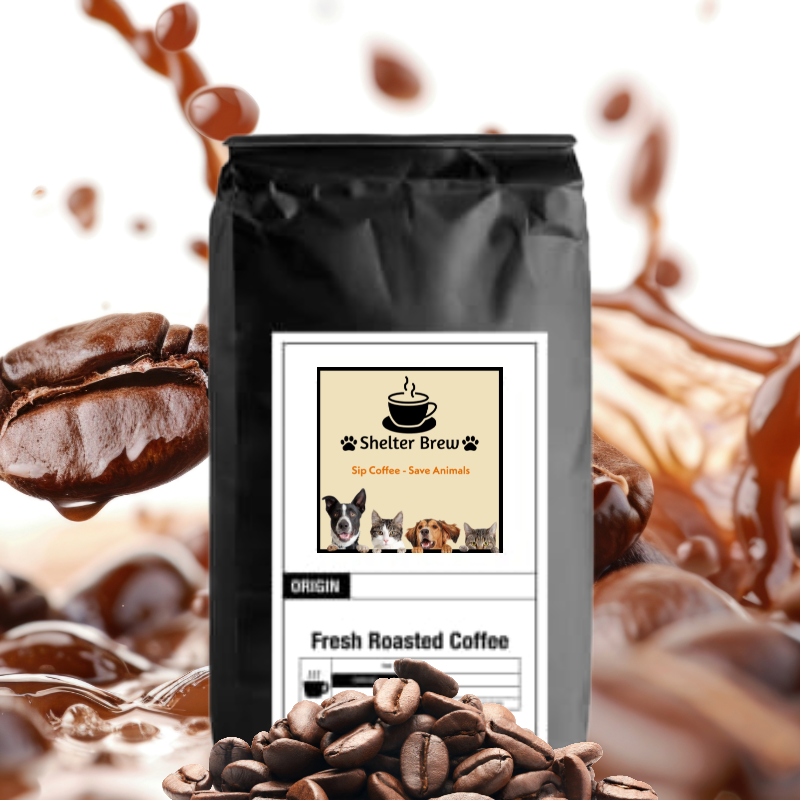
Shelter Brew: Coffee With a Quiet Purpose
This belief is at the heart of Shelter Brew.
Every purchase helps support animal shelters, providing care and resources for animals still waiting for their next chapter. This approach allows people to contribute to something meaningful through a habit they already have.
There’s no pressure to do more or give more. The impact happens naturally, as part of daily life. That quiet integration of purpose is intentional — because the most sustainable forms of giving are the ones that fit seamlessly into routine.

Why Coffee Endures
Coffee has survived trends, technology, and cultural shifts because it meets fundamental human needs. It offers comfort without asking for attention, structure without rigidity, and meaning without noise.
In a world that constantly demands more, coffee remains simple.
And that simplicity is exactly why it matters.

Final Thoughts
Coffee is more than a morning drink because it’s more than a beverage. It’s a ritual, a pause, a connection, and a reflection of values. It shows up every day — steady, familiar, and quietly meaningful.
Choosing where you buy your coffee can help make your daily coffee count — quietly, meaningfully, and without changing what already works.
When something that simple can also support a greater good, it becomes part of something bigger without ever feeling forced.